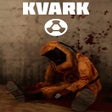
Kvark blends boomer-shooter combat with Czech dystopian atmosphere
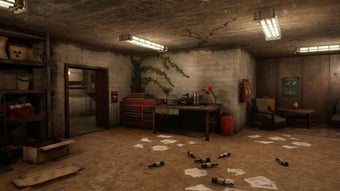
Kvark, developed by Latest Past, places the player inside a decaying 1980s Czech underground facility where survival and discovery drive each run. The game delivers fast-paced first-person action, frequent weapon swaps, and melee options against tactical foes in maze-like tunnels. It combines retro-styled visuals with Unreal Engine 5 lighting, environmental storytelling, puzzles, resource management, and hidden collectibles that reward exploration. Fans of boomer shooters and players who enjoy atmospheric, challenging combat and lore-driven exploration are the primary audience for this experience.
What kind of game is Kvark?
So, Kvark channels retro first-person shooter energy into an exploration-driven loop where combat, scavenging, and discovery are central. The arsenal mixes improvised tools and heavy weaponry, including the EK-48 rifle, grenades, bazookas, and a wrench used in melee. The design cites Half-Life and BioShock as influences, thus the game asks players to alternate firefights with environmental investigation to progress through the collapsing facility.
How do enemies and levels shape play?
Enemies require tactical thinking and quick movement, which forces players to read encounters and reposition often rather than rely on a single strategy. Levels are dense and interactive, with crumbling infrastructure and environmental traps that hide notepads, posters, and videos revealing story beats. Puzzles range from straightforward obstacles to complex mechanical riddles, so the loop shifts between reflex-driven conflicts and deliberate problem solving to unlock optional lore.
What does the game look and sound like?
Kvark pairs stylized 90s-era visuals with modern lighting and adaptive audio built in Unreal Engine 5, creating contrast between retro forms and dynamic shadows. Atmosphere leans on environmental detail and a Slavic sense of humor and sarcasm threaded through posters and recordings that punctuate bleak corridors. Sound design favors directional cues and impact feedback, helping players detect threats and locate hidden items in the tunnels.
Is it hard to get started?
Expect a brisk early tempo: the experience depends on quick reflexes, resource management, and interpreting environmental clues from the outset. Progression depends on exploration and collectible lore rather than obvious level gating; uncovering secrets yields tangible rewards and reasons to backtrack. Replayability comes from Easter eggs, alternate routes, and hidden collectibles, which keep the discovery loop active beyond a single run.
Kvark rewards patient explorers but asks for tolerance for debut roughness
Kvark rewards patience and curiosity; players who accept demanding encounters and investigation-focused play get the most from it. Some early players reported technical roughness and the developer's debut nature is apparent in places. Players willing to tolerate occasional glitches find a distinctive regional voice and a satisfying discovery loop. Expect a learning curve that rewards attention to environmental detail and patience.